The Story, Briefly#
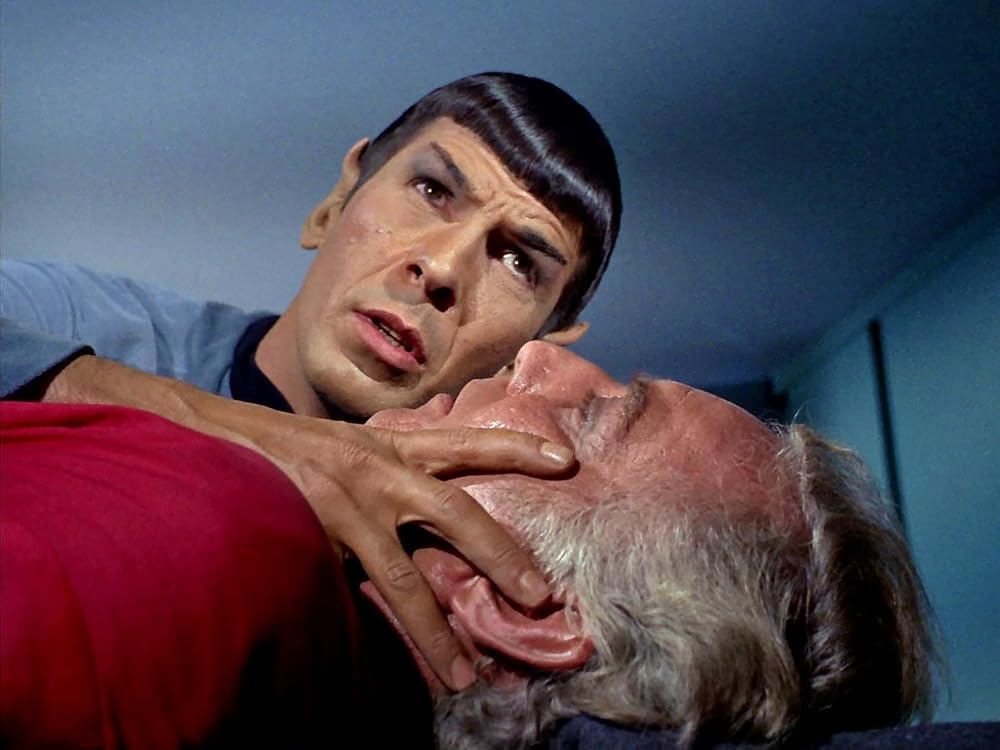
Enterprise deliver some cargo to a penal colony, when they receive a cargo back an intruder went into bridge and request asylum. They found out, the manager of the facility, uses an extreme device to erase memories or even kill the person.
Name of the episode:
There are two daggers; Spocks hands (while doing mind melt) and that device; both of them can open the mind. Opening mind means multiple things; “open to see the truth”, “open to heal”, “open to harm it”. Like the classic example, both surgeons and butchers use kinfe.
Thoughts#
Intro
- It’s interesting to see a prompt and a dosage operation might program people. Actually, we see this in real life, but not like a device. We have a/some mechanism to place beliefs and commands into individual minds. The difference, in this indirect way, it’s hard to blame someone for threatening lives. We started to manipulate and harm, since we were born. :(
- Penal colonies will create more stories in Star Trek series, so it’s really difficult to foresee how to deal with crime and penalties, even crime is something like a drawing a line to the land and claiming it.
- The doctor says to Kirk; *“you remind me of old skeptics” (in Ancient Greek); *After the Roddenberry, Greek civilization maybe didn’t refer in the episodes again, or referred so less. I think Roddenberry utilized this theme to highlight the mental and civilized development of humanity. The series has visited modern times like pre-industrialization, but never a prehistoric era. So, we didn’t see any philosophic references after TOS series. What I most like in TOS, it’s pushing us to imagine between science and mythology.
- One common thing in TOS, it generally uses divine judgment moments. In the end, the doctor ends up emptying his own mind. So we didn’t think on what could be the proper judgment / penalty; we don’t face a meaningful moment to think on the penalty. We just think about the story and get some principles. I wish real life would become so plain to just think on actions, but we face lots of consequences, and most of the time our ethics are based on thinking on consequences.